Malabar Gold & Diamonds — National Seminar on GST Version 2.0
1st May 2026 | Hotel Hyatt Regency, Thiruvananthapuram


Goods and Services Tax (GST) is a comprehensive indirect tax framework introduced to unify India’s fragmented tax system. It applies to the supply of goods and services at every stage of value addition.


The Income-tax Act, 1961 governs direct taxation in India and is continuously evolving through annual Finance Acts. Compliance requires detailed understanding of assessments, deductions, and procedural requirements.
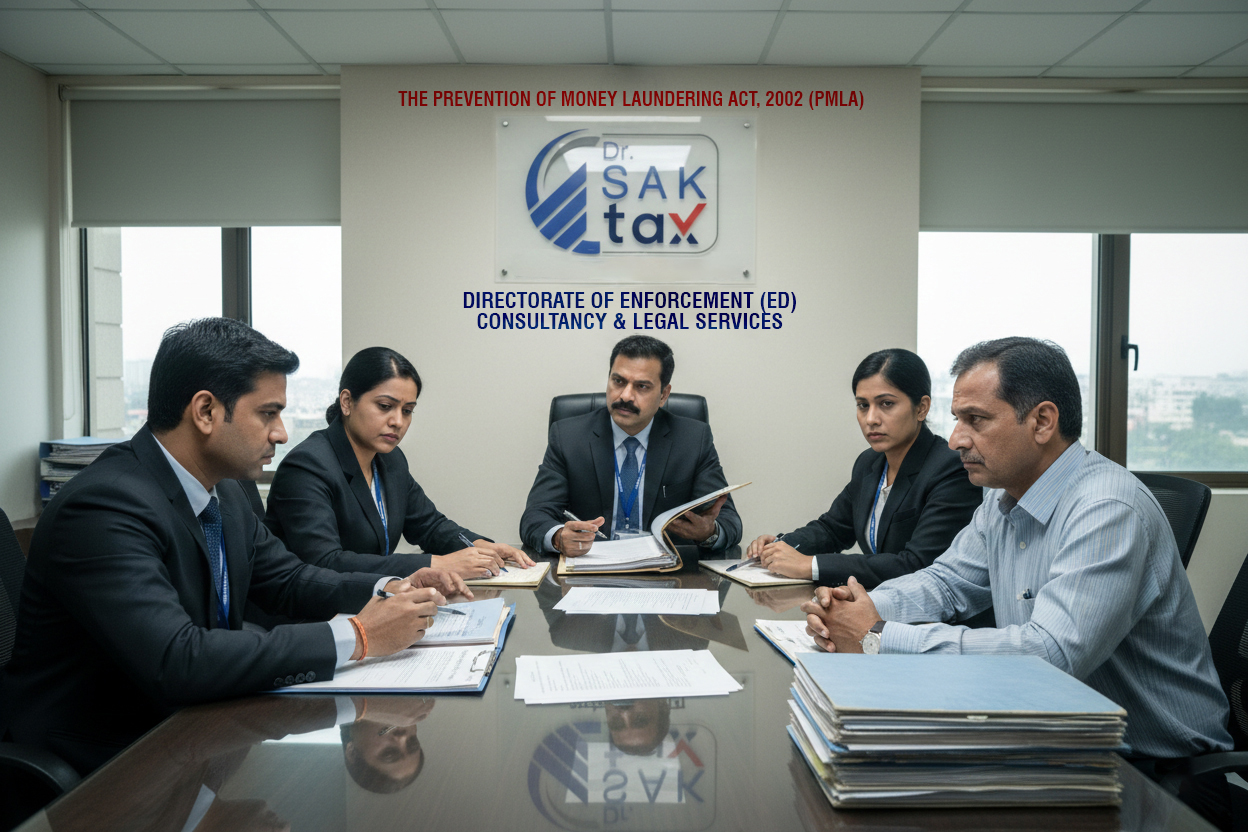
PMLA is India’s principal legislation to prevent money laundering and regulate proceeds of crime. Non-compliance can result in severe civil and criminal consequences.
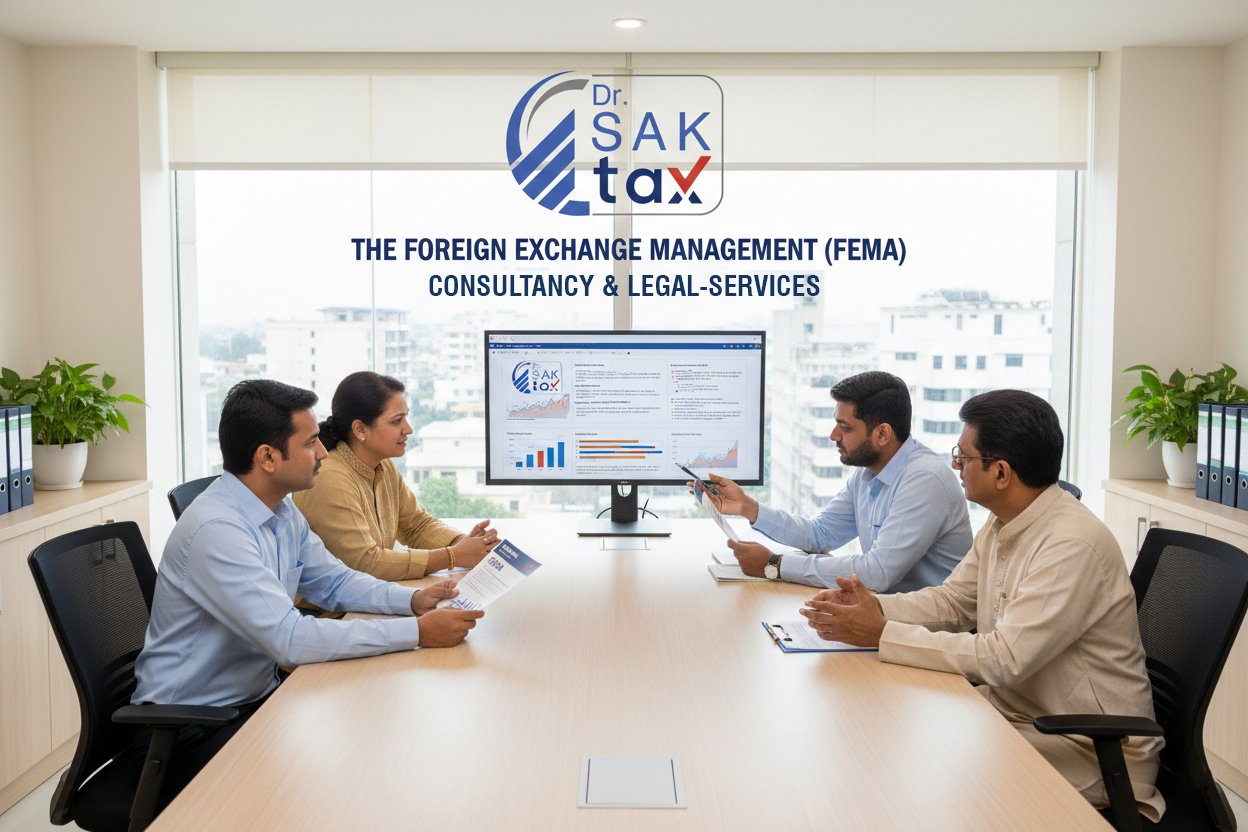
FERA was a strict, criminal-focused legislation enacted to conserve India's scarce foreign exchange reserves and regulate all transactions involving foreign currency, securities, and cross-border payments. Operating under a presumption of guilt, FERA imposed severe penalties including imprisonment for violations. It remained in force until June 1, 2000, when it was replaced by the Foreign Exchange Management Act (FEMA), 1999 — which shifted India to a liberalised, civil framework focused on managing foreign exchange to facilitate trade and investment.